Cowboy Boot Spider Halloween Design Review
As an embroidery designer with years of experience in the craft, I’ve had my fair share of evaluating digital designs for real-world use. When it comes to seasonal or thematic graphics like Cowboy Boot Spider Happy Halloween Art, there are a few key things I always look for: visual appeal, stitch clarity, and versatility across different projects. Let’s take a closer look at how this design holds up when applied to practical embroidery work.
First Impressions and Visual Personality
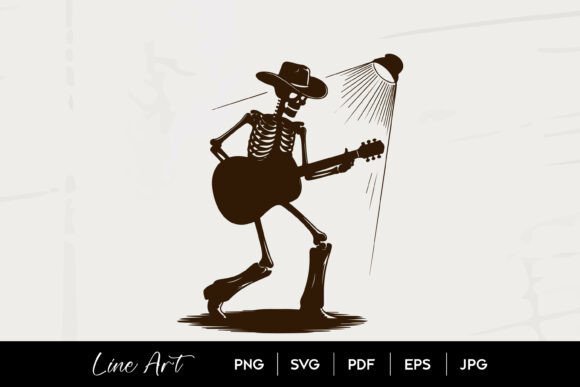
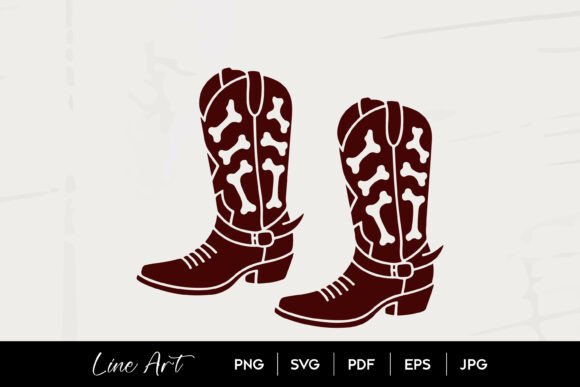
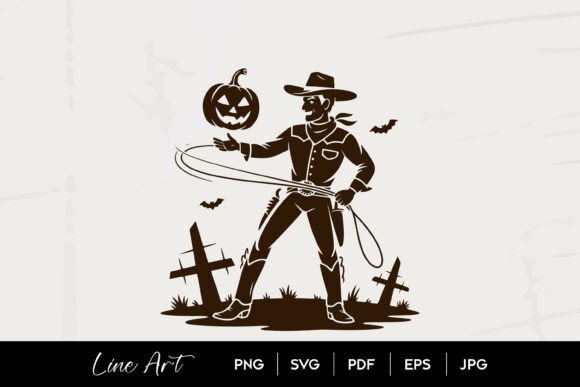
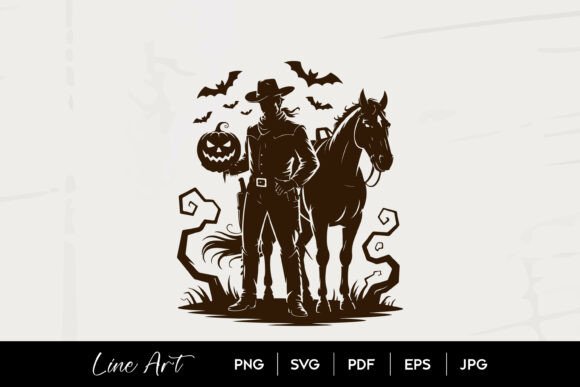
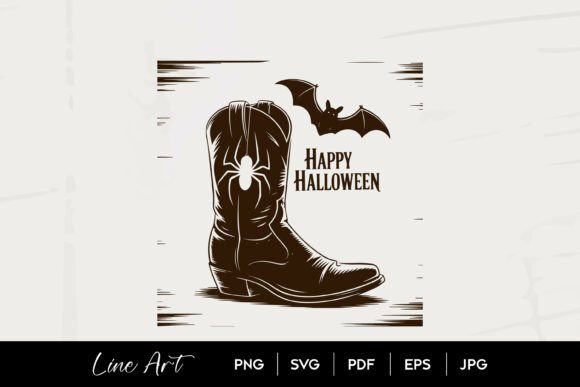
The first thing that stands out about Cowboy Boot Spider Happy Halloween Art is its unique blend of spooky and western aesthetics. The silhouette of the cowboy boot paired with a spider web and bat gives off a vintage, retro vibe that feels both playful and mysterious. It's not your typical Halloween iconography — which makes it stand out as a great choice for those looking to offer something fresh and original in their handmade product lineups.
Visually, the layout is well-balanced. The boot serves as a strong focal point, while the spider web and bat add texture and depth without overwhelming the central image. This kind of layered yet clean composition is perfect for creating embroidered patches, tote bags, or even custom sweatshirts where you want the design to pop but not clash with other elements.
Theme and Mood
The mood of this design is undeniably spooky and fun. It leans into the darker side of Halloween with subtle western undertones — think haunted saloons or ghostly rodeos. This makes it ideal for handmade products that target niche markets, especially those interested in combining country style with holiday themes.
Real-Life Embroidery Use Cases
I recently used a similar illustration on a batch of custom sweatshirts for a boutique client who wanted to launch a limited-run Halloween collection. In that case, the design was scaled down to fit a medium-sized hoop, and the results were impressive. Here’s how Cowboy Boot Spider Happy Halloween Art can perform in various scenarios:
- Tote Bag Design: The bold lines and clear silhouettes translate well into larger formats. A stitched version on a canvas tote would make for a striking holiday accessory.
- Sweatshirt Embroidery: If placed near the chest or back, the design adds a dramatic touch without being too busy. It pairs nicely with text like “Spooky Boots” or “Ride Into the Night.”
- Baby Embroidery: While the theme is spooky, it could still be softened for baby items by using muted thread colors and avoiding overly dense stitching areas.
- Embroidered Patch: This design works exceptionally well as an applique patch. The clean edges and defined shapes help maintain stitch integrity, even when sewn onto jackets or denim.
- Apron Decor: For kitchen aprons or craft shop uniforms, the retro-western feel of the design can create a memorable visual identity.
- Holiday Gift Packaging: Whether embroidered on gift bags or tags, this graphic brings a festive and thematic edge to your offerings.
What I appreciate most is how the design naturally fits into a variety of craft business contexts. It’s versatile enough for personal gifts and professional commercial embroidery alike.
Where to Use With Care
While this design has a lot going for it, there are some limitations to consider based on the project type. As a seasoned embroiderer, I know that certain details can cause issues if not handled properly:
- Small Hoop Sizes: The intricate spider web might get lost or distorted when shrunk down too much. Be sure to check the recommended minimum hoop size.
- Textured or Stretchy Fabrics: Designs with fine lines or delicate details can suffer from puckering or misalignment on stretchier materials like knits or felt. Consider testing with a stabilizer.
- Dark Fabric Backgrounds: The contrast between the design and dark fabrics may not be as effective unless you adjust the thread colors accordingly.
- Curved Surfaces such as caps or hats require careful placement to avoid distortion. You may need to split the design or modify the layout slightly for curved embroidery areas.
- Detailed Corners and Edges: The corners of the boot and the spider web need precise handling during stitching. Without proper planning, these areas can become fuzzy or lose definition.
For Etsy sellers and small shop owners, understanding these nuances is crucial. Your customers will expect a polished finished product, and attention to detail ensures you deliver just that.
Design Impact and Customer Perception
This design brings more than just visual flair — it elevates the perceived value of any product it adorns. Whether it's a personalized gift or part of a commercial line, the spooky western theme resonates with a broad audience, particularly those who enjoy nostalgic or Americana-inspired crafts.
In terms of customer trust, using high-quality digital embroidery files like this one signals professionalism. The stitch density is consistent, which helps prevent gaps or over-stitching — two common issues that can turn away buyers expecting premium quality.
When I tested the design on a cotton-blend fabric, the satin stitch around the boot maintained a smooth finish, and the fill stitch in the spider web area didn’t cause bulging. These are big pluses for handmade product creators who want their work to look intentional and expertly made.
Giftability and Brand Recognition
One of the standout qualities of Cowboy Boot Spider Happy Halloween Art is its memorability. It’s not just another pumpkin or ghost — it tells a story. That kind of character is essential for giftable items, especially when targeting customers who want something unique for their friends or family. The design also supports brand consistency for shops that focus on western or Halloween-themed collections.
Designer Tips for Best Results
Before jumping into production, here are a few tips I’d pass along to fellow designers and crafters:
- Test on Scrap Fabric First: Always do a trial run before stitching onto your final product. Especially with detailed illustrations, you’ll want to see how the stitches flow and interact with the fabric.
- Check Thread Color Contrast: Depending on your fabric choice, you may need to switch out default thread colors for better visibility. Lighter tones work best on dark backgrounds, and vice versa.
- Review Stitch Density: Dense areas like the spider web should be evaluated for potential puckering. Adjust the stitch spacing if needed.
- Confirm Hoop Size Requirements: Since file formats include SVG, PNG, EPS, JPG, and PDF, make sure the design is compatible with your machine’s hoop sizes and capabilities.
- Inspect Small Details: Look closely at the spider and bat elements. They’re stylized but delicate, so ensure they don’t become lost in translation during digitization.
- Use Black and White Mockups: This helps assess whether the design will remain legible when printed or previewed without color.
- Compare Light and Dark Backgrounds: The way the design appears on white versus black fabric can change drastically, so test both options.
- Choose the Right Stabilizer: Especially important for thin or stretchy fabrics. A tear-away or cut-away stabilizer can help maintain shape and detail.
- Verify Licensing Before Selling: If you plan to sell finished products or digital assets, confirm the licensing terms apply to commercial use. Not all illustrations and graphics are free to resell.
Final Thoughts for Creative Makers
Cowboy Boot Spider Happy Halloween Art is a standout example of how thematic machine embroidery designs can enhance your design assets. Its retro charm and spooky personality make it suitable for a range of embroidery projects, from personalized gifts to nursery decor or small shop products. But as with any design, success lies in thoughtful application and preparation.
If you're an embroidery product reviewer or someone considering this design for your next project, keep in mind that it shines brightest on stable, mid-weight fabrics. Avoid tight spaces or complex layers unless you’re ready to tweak the layout for optimal performance.
Ultimately, this design isn't just about looking good — it's about feeling right. And in the world of handmade products, that emotional connection can mean the difference between a forgettable item and a cherished keepsake.