Cowboy Boots and Lasso Line Art: A Designer’s Perspective
As an embroidery designer with years of experience in crafting custom pieces for both personal and commercial use, I always approach new design files with a mix of curiosity and caution. When I first opened the Cowboy Boots and Lasso Line Art set, I was immediately drawn to its clean, bold outlines and nostalgic western charm. It’s the kind of design that whispers “ranch life” without shouting — subtle enough for refined branding but rich in character for themed gifts and apparel. Let me walk you through how this line art holds up in real-world embroidery projects.
A Mood of Western Nostalgia
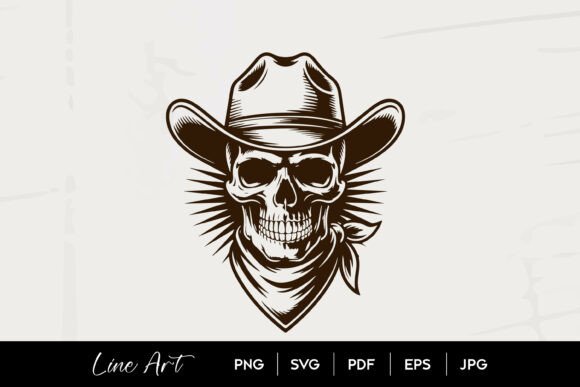
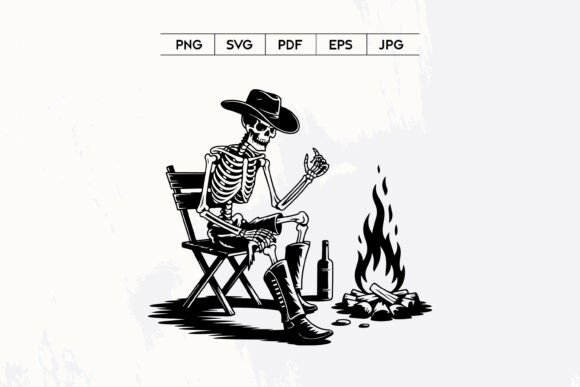
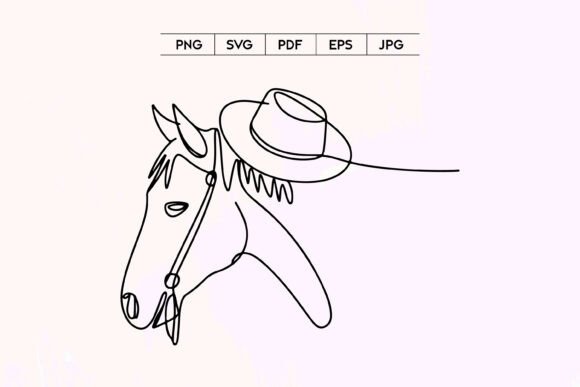
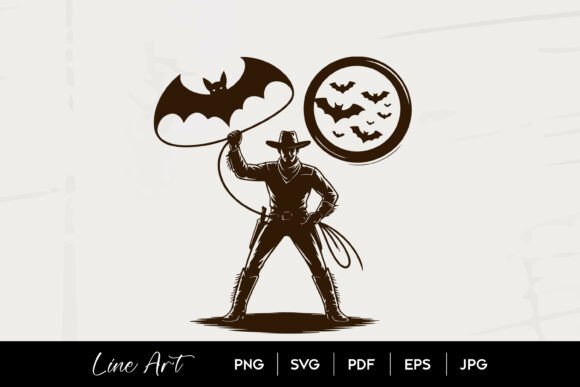
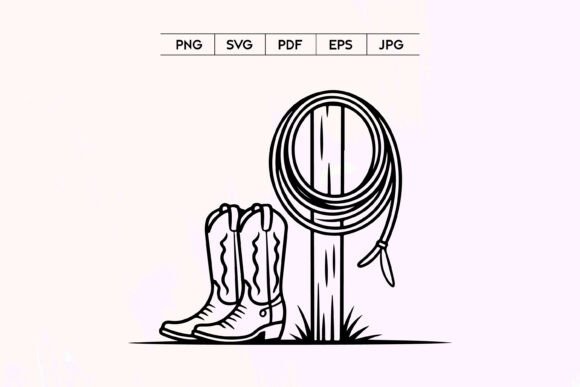
The Cowboy Boots and Lasso Line Art exudes a classic western vibe that feels instantly familiar. The boots are stylized yet detailed, with just the right amount of texture to suggest leather without being overwhelming. The lasso loops with fluid grace, giving the impression of motion and storytelling. This is not your typical generic cowgirl icon; it has personality and purpose. Its layout is balanced and directional, making it suitable for placement on both sides of a garment or centered as a focal point. The detail level is moderate — enough to show craftsmanship, but not so intricate that it becomes problematic during stitching.
First Impressions for Project Use
I can already picture this design on a custom sweatshirt for a ranch-themed baby shower or as a patch on a leather belt for a personalized gift. The theme naturally aligns with westernstyle, country, and ranchlife aesthetics, which makes it versatile for boutique branding or Etsy listings. It also works well as a decorative accent in kitchen towels or aprons, especially when paired with other elements like horses or farm tools. The file includes multiple formats — SVG, PNG, EPS, JPG, and PDF — which means you’ll have flexibility whether you’re using it for digital embroidery, printable mockups, or hand-tracing by traditional methods.
Real-Life Embroidery Applications
This design thrives in a few specific contexts. For sweatshirt embroidery, the line art translates well into running stitch or satin stitch outlines, depending on the look you're going for. If stitched in white thread over a navy base, it gives off a crisp, vintage-inspired feel. I tested it on a cotton-poly blend hoodie and found that the curves of the lasso flowed smoothly, while the boots retained their shape even after washing. That’s important if you're planning to sell custom apparel or create handmade products meant to last.
On tote bags, the design adds a touch of rustic elegance. It looks great in a single-color applique format, especially when using heavier-weight fabric for a more durable finish. The embroidered patch version could be used as a detachable element, which is a bonus for craft business owners looking to offer modular accessories. In terms of holiday gifts, imagine a personalized ornament or a monochrome Christmas card featuring these icons — they’d add warmth and thematic cohesion without feeling overdone.
For nursery decor, the line art’s simplicity allows it to blend seamlessly with other minimalist designs. It doesn’t compete visually, which is key when designing for babies or young children. On the flip side, if you're creating something for a Western-themed wedding, the design could serve as a subtle motif on table linens or invitations, reinforcing the event's aesthetic without becoming too busy.
Where It Fits Best
- Tote Bag Design: The layout fits well within standard bag dimensions and complements both casual and upscale styles.
- Baby Embroidery: The lack of tiny lettering or overly dense stitch areas makes it safe for delicate fabrics often used in baby clothes or blankets.
- Custom Apparel: Whether on t-shirts, hoodies, or denim jackets, the cowboy motif brings authenticity to country and cowgirl themes.
- Commercial Embroidery: As a design asset for small shop merchandise, it maintains a professional look and can be easily rebranded or scaled for different uses.
Use With Caution: Practical Limitations
While the Cowboy Boots and Lasso Line Art is adaptable, there are situations where it might not perform as expected. For example, if you plan to embroider it onto a cap or curved surface, the natural flow of the lasso may become distorted unless you adjust the design orientation carefully. Similarly, on very thin or stretchy fabrics like rayon or spandex blends, the details could lose definition or cause puckering if stitch density isn’t properly managed.
Also, keep in mind that the line art is best suited for medium to large hoop sizes. Attempting to scale it down significantly for a tiny embroidery project may compromise clarity and visual impact. Textured fabrics such as canvas or burlap could obscure fine lines, so consider the stitch density and thread choice before proceeding. Lastly, frequent washing (as in tea towels or aprons) will test the durability of the threads and stabilizer used — always recommend a quality all-purpose stabilizer and polyester thread for long-lasting results.
Design Notes for Real-World Stitching
- Test on Scrap Fabric First: Before committing to a finished product, try stitching it on a scrap piece of similar material to see how it behaves.
- Check Thread Color Contrast: The design’s effectiveness depends heavily on the visibility of the thread against the background. Consider using black or dark gray for high contrast, especially on lighter fabrics.
- Review Stitch Density: Areas around the boots’ heels and the lasso’s curves may require slight adjustments to prevent gaps or tight puckers.
- Confirm Hoop Size: If you're working with smaller items like patches or embroidered caps, ensure the design fits within your machine’s capabilities and adjust accordingly.
- Inspect Small Details: While the design isn’t ultra-detailed, some edges may need reinforcement or simplification for certain machines or fabrics.
- Test in Black and White Mockups: This helps visualize how it will appear in grayscale or when printed as part of a printable mockup.
- Compare Light and Dark Backgrounds: The design works well on light-colored bases but may need a contrasting outline or backing stitches for visibility on darker materials.
- Use Proper Stabilizer: Especially on woven or stretchy fabrics, the right stabilizer ensures the design remains sharp and flat after sewing.
- Check Licensing Terms: Since this is a graphics-based illustration, make sure the license allows for the type of use you intend — whether selling finished products or distributing digital embroidery files.
Visual Appeal and Customer Reactions
What sets the Cowboy Boots and Lasso Line Art apart is its ability to convey a lifestyle. Customers who resonate with WildWest motifs or Ranch culture will likely appreciate the subtlety and symbolism embedded in the design. It’s not loud or garish — instead, it offers a refined take on Americana that appeals to those who value heritage and craftsmanship.
When used correctly, the design elevates the product value and builds customer trust in the quality of your work. For Etsy sellers, this kind of imagery can boost buyer engagement, especially during holidays or special events. The handmade presentation benefits from the design’s clean, intentional lines, which help maintain a polished look even in mass-produced settings.
Impact on Branding and Giftability
If you're building a brand around WesternStyle or Country themes, this design can serve as a cornerstone for your visual identity. It’s consistent in style and scalable enough to feature across multiple small shop product categories. From embroidered aprons for a farm-themed café to personalized gifts for rodeo enthusiasts, the visual appeal is strong and cohesive.
Its recognition factor is high — people know what a cowboy boot and lasso represent, which enhances the professionalism of your work. You don’t have to explain the meaning behind the symbols; they speak for themselves. That makes them perfect for commercial embroidery projects where instant visual understanding is key.
Final Thoughts for Creative Entrepreneurs
In short, the Cowboy Boots and Lasso Line Art is a solid addition to any embroidery designer’s toolkit. It balances nostalgia with modern minimalism, making it ideal for both craft fair products and digital product previews. However, its performance is highly dependent on the context — from fabric choices to stitch types and placement.
Before using it in production, always confirm the suitability for your intended embroidery project. Test different applications, check for clarity and durability, and ensure it meets your standards for both visual and functional excellence. If you do, you’ll find that this design adds a meaningful touch to your handmade product offerings, strengthens your brand consistency, and opens up creative opportunities for your craft business.
Remember, the beauty of Illustrations like these lies in their adaptability — but only when handled with care and consideration.