Cowboy Pumpkin Halloween Spooky Western Review
As an experienced embroidery designer and product reviewer, I recently took a closer look at the Cowboy Pumpkin Halloween Spooky Western design. This illustration blends classic western motifs with spooky autumn elements in a way that feels both nostalgic and fresh. Let’s dive into how it might perform across various real-world embroidery projects and what you should consider before using it in your craft business or handmade items.
A Visual First Impression
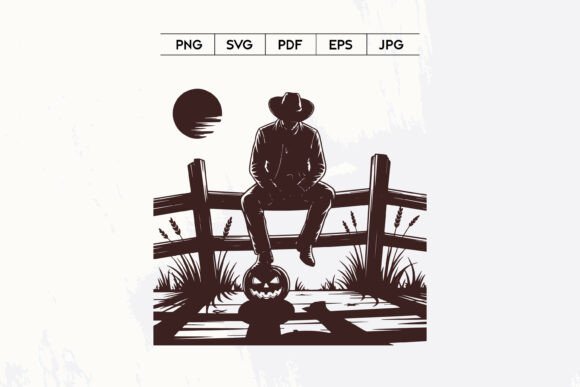
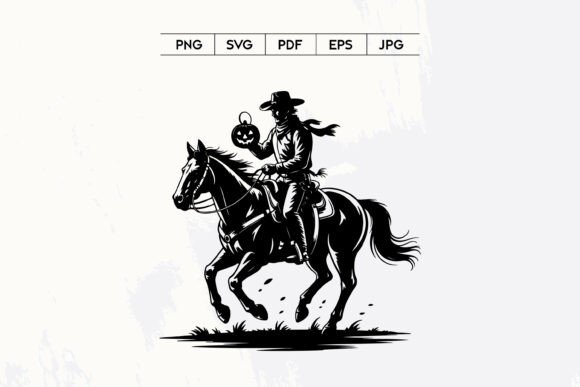
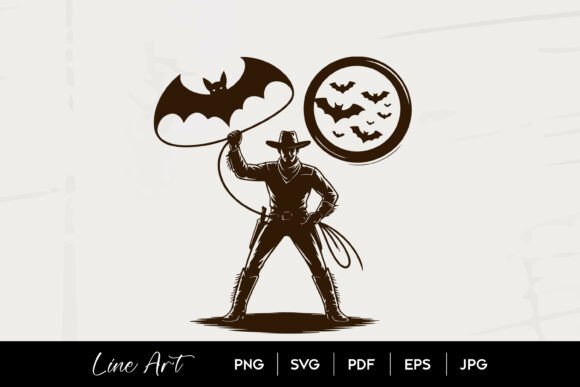
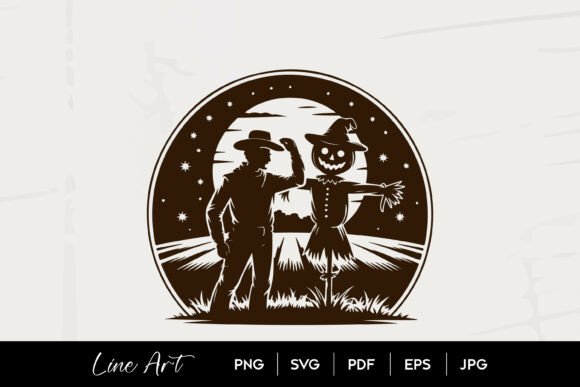
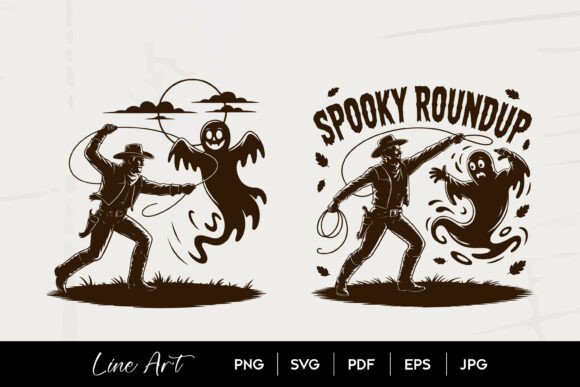
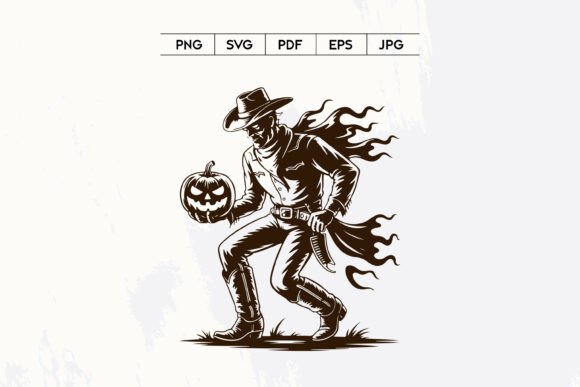
The Cowboy Pumpkin Halloween Spooky Western immediately stands out for its playful yet slightly edgy vibe. It features a stylized pumpkin with a cowboy hat, complete with ghostly details like faint outlines of skeletal hands and a subtle moonlit background. The layout is centered, making it easy to position on garments or fabric items. The level of detail is just right—not too intricate, but enough to add character without overwhelming the eye.
Visually, this design evokes a sense of fun and whimsy, perfect for seasonal themes. Its bold lines and clear shapes make it suitable for both color-rich satin stitch work and simpler running stitch outlines. As a graphics-based illustration, it has strong contrast which is great for machine embroidery designs, especially when paired with thread colors that pop against the fabric.
What Kind of Embroidery Project Fits?
This design naturally lends itself to custom apparel and accessories with a western flair—think sweatshirts, tote bags, and even patches. It could also work well as a holiday embroidery file for fall-themed items like aprons, pillow covers, or decorative kitchen towels. The western-meets-halloween theme makes it ideal for boutique branding, Etsy sellers, or small shop products that want to stand out during the spooky season.
I imagine it would be a hit on a custom embroidered sweatshirt for kids or teens who love Halloween and Americana. On a tote bag design, it adds personality without being too busy. For a more premium feel, it could be stitched as an applique design using multiple thread colors to highlight the textures and shading in the original artwork.
Real-World Performance in Embroidery Projects
When considering how this design will translate from digital files to finished products, there are several key points to keep in mind:
- Stitch Clarity: The clean lines and simple structure of the machine embroidery design help maintain clarity after stitching. It’s not packed with dense fill stitch areas, which means it’s less likely to cause puckering or distortion on most fabrics.
- Thread Color Contrast: The black-and-orange palette is highly visible and festive. However, if you're working with dark fabric, you may need to adjust the thread colors to ensure the design remains legible and impactful.
- Visual Appeal: Customers love unique, thematic designs. This one offers a clever twist on traditional Halloween imagery, which can boost buyer engagement and giftability, especially for those who enjoy western culture or novelty prints.
- Product Value: Adding this design to a handmade product instantly elevates its perceived value. Whether you're selling personalized gifts or creating custom merchandise for your craft business, it adds a touch of creativity and professionalism.
- Customer Trust: A well-executed embroidered patch or garment featuring this design can reflect attention to detail, helping build trust with customers who appreciate quality craftsmanship.
- Brand Consistency: If your brand leans toward quirky, themed décor or apparel, this design aligns beautifully. It helps maintain a consistent visual identity while allowing room for seasonal variation.
Where to Use It Carefully
While the Cowboy Pumpkin Halloween Spooky Western is versatile, there are situations where extra care is needed:
- Small Hoop Sizes: The design includes some delicate elements like the pumpkin's face and the ghostly accents. These could get lost or distorted if used in a hoop smaller than expected. Confirm your hoop size before finalizing any project.
- Textured Fabrics: Stitching on denim, canvas, or flannel might require adjusting stitch density or using heavier threads to prevent the design from looking flat or indistinct.
- Thin or Stretchy Fabric: Delicate materials like rayon or stretch knits may struggle with the weight of the design or the tension required for certain stitches. Consider using a stabilizer underneath to avoid puckering.
- Dark Fabric Backgrounds: While the design is colorful, using it on a black or deep navy fabric could reduce visibility. Always test the thread colors in black and white mockups to see how they’ll appear under different lighting conditions.
- Curved Surfaces: If you plan to use this on a cap or curved surface, be prepared to manually adjust the positioning. The design doesn’t include built-in curve compensation, so testing is essential.
- Frequent Wash Items: Dense stitch areas or complex layers might wear down over time. For items like baby clothes or tea towels, stick to lighter stitch types or simplify the design to preserve longevity.
Design Notes for Embroidery Artists and Sellers
Here are some practical tips for integrating this design into your workflow:
- Test on Scrap Fabric: Before committing to a full batch of custom apparel, try stitching the design on a piece of scrap fabric that matches the material you'll be using. This allows you to catch any issues early on.
- Review Stitch Density: Some parts of the design have higher stitch density, particularly around the eyes and hat brim. Adjust these areas if necessary to suit the thickness of your fabric and the capabilities of your embroidery machine.
- Check Thread Colors: Make sure the colors included in the digital embroidery file (PNG, SVG, EPS, PDF, JPG) match your intended outcome. If you’re planning to re-color the design, verify that all elements can be easily separated in the software you use.
- Confirm Licensing: If you plan to sell the finished product or offer it as part of your commercial embroidery services, double-check the licensing terms. Many illustrations come with restrictions, especially when used in mass-produced goods.
- Use Proper Stabilizer: Depending on your fabric choice, a tear-away or cut-away stabilizer may be necessary to maintain the shape and clarity of the design post-stitching.
- Inspect Small Details: The ghostly accents and facial features are charming, but they can become muddled if not stitched carefully. Pay attention to these elements when reviewing the design for accuracy.
- Consider Placement: The design is best suited for central placement due to its focal point nature. Avoid tucking it into corners or overlapping with other elements unless you’ve tested the results.
Final Thoughts on the Cowboy Pumpkin Halloween Spooky Western
The Cowboy Pumpkin Halloween Spooky Western is a solid addition to any embroidery designer’s library of design assets. It brings a fresh twist to familiar themes and works well in a variety of formats—from sweatshirt embroidery to printable mockups for digital product previews.
However, like any illustration, its success depends on thoughtful application. Take the time to understand how it behaves in different environments, and don’t hesitate to tweak the design to better fit your project. When done right, it can enhance the uniqueness of your craft business offerings and resonate strongly with customers looking for something memorable and thematically rich.
If you're an Etsy seller or a small shop product creator aiming to differentiate your line during the fall season, this design could be a smart investment. Just remember to test, adapt, and always prioritize the quality of the finished product.