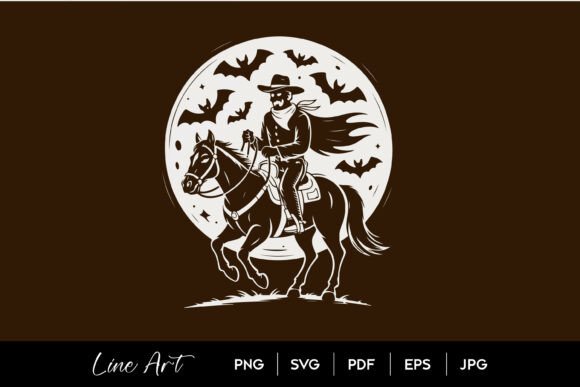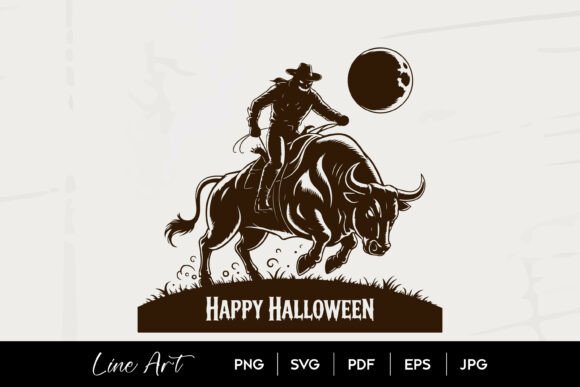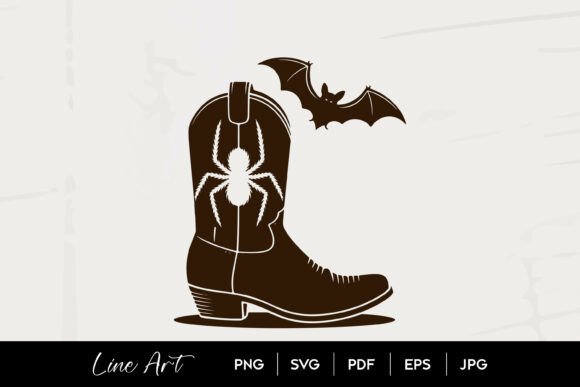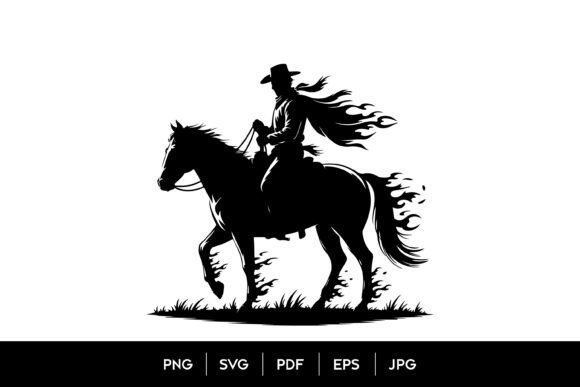
Cowboy Sitting by Cactus Spooky Art Review for Real Embroidery Projects
As an experienced embroidery designer and product reviewer, I always approach a new design with a critical eye. The Cowboy Sitting by Cactus Spooky Art caught my attention not just because of its theme, but because it carries a visual tone that’s both nostalgic and eerie—perfect for seasonal or themed handmade products. Let me walk you through how this design stands up in real-world embroidery applications and what to consider before stitching it into your next project.
First Impressions: Mood and Visual Personality
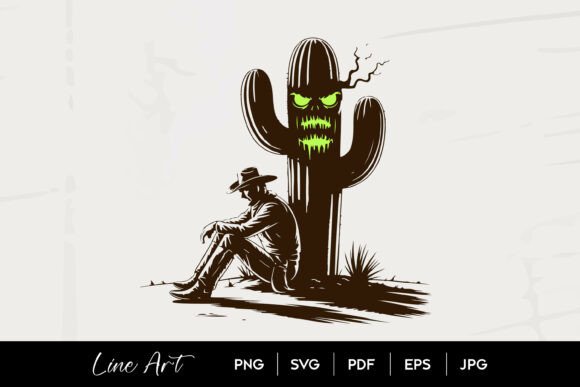
The Cowboy Sitting by Cactus Spooky Art is more than just a silhouette—it’s a mood. It evokes the Wild West at dusk, with the ghostly presence of a lone cowboy perched beside a cactus. The illustration has a vintage, retro feel, which immediately tells me it could be a strong fit for Halloween-themed items or western-inspired décor. The simplicity of the lines and the spooky atmosphere make it memorable without being overly complex.
I found the layout balanced and intentional. The cowboy is centered, allowing for easy placement on garments or other surfaces. The detail level is moderate, which is great news for embroidery designers who want something expressive yet manageable. This isn’t a hyper-detailed portrait that requires micro-stitching; instead, it uses bold outlines and subtle shading to tell a story. That kind of design personality works well in custom apparel and handmade gifts where character and charm matter more than realism.
Real-Life Use Cases and Project Fit
This design naturally fits into several categories of embroidery projects. For example:
- Sweatshirt Embroidery: The spooky western vibe makes it ideal for fall collections or haunted-themed apparel. A stitched version would look great in muted thread colors on a dark hoodie, especially if paired with some Halloween text or iconography.
- Tote Bag Design: Whether for a boutique or Etsy listing, this graphic brings a unique flair to reusable bags. The shape and scale are suited for medium to large hoop sizes, so it can be used as a central motif or layered with other elements like pumpkins or ghosts.
- Embroidered Patch: If converted into a patch format, it could become a popular add-on for jackets, denim, or even backpacks. Its silhouette style is forgiving when transferred onto different materials.
- Nursery Decor: With a few tweaks (like changing the color palette), it could also work as part of a “spooky but cute” western-themed baby room. Just keep the stitch density light to avoid stiffness on delicate fabrics.
- Holiday Gifts: Imagine this design stitched onto a Halloween apron or kitchen towel for a themed gift. It adds a touch of humor and nostalgia that customers will appreciate.
What I love most about this piece is how versatile it feels. As a digital embroidery file, it can be adapted to multiple formats like SVG, PNG, EPS, JPG, and PDF. This means it’s suitable for use in printable mockups or as a standalone graphic in digital product previews, giving crafters and Etsy sellers a ready-to-go asset for their listings.
Design Notes for Craft Business Owners and Makers
If you're planning to use this design in your handmade product line, think about the emotional impact it creates. It’s not just a western illustration—it’s a statement. It speaks to those who enjoy quirky, spooky aesthetics and have a soft spot for vintage Americana. As such, it could elevate the perceived value of your finished product, especially when used in custom apparel or personalized gifts.
For small shop products, the silhouette and minimalistic details allow for quick production while maintaining visual interest. It's not going to require hours of fine-tuning unless you push the stitch types too far. That said, the stitch clarity is important. Make sure the contrast between thread colors and fabric is strong enough to highlight the spooky elements.
Where to Use It Carefully
While the Cowboy Sitting by Cactus Spooky Art is adaptable, there are situations where it might need extra attention:
- Small Hoop Sizes: The cowboy figure takes up a decent amount of space. Attempting to shrink it too much could lose the essence of the design. Always confirm the recommended hoop size before scaling.
- Textured or Stretchy Fabrics: These can distort the image slightly during stitching. The best results come from using smooth, stable materials like cotton blends or quilting cotton.
- Dark Fabric Backgrounds: The spooky theme benefits from high contrast. On black or navy fabrics, you’ll want to use lighter thread colors for the silhouette to maintain visibility. Test a sample first.
- Curved Surfaces: If you’re considering this for a cap or hat, be mindful of the curvature. You may need to adjust the layout or choose a simpler section of the design to avoid distortion.
- Dense Stitch Areas: The design includes areas that might benefit from satin stitch or fill stitch. Be cautious with stitch density on thin or delicate materials, as overstuffing can cause puckering or damage.
These considerations don't mean the design won’t work—they just require a bit of thought before committing to the final embroidery project.
Customer Reaction and Market Potential
From a business perspective, the Cowboy Sitting by Cactus Spooky Art has strong giftability and recognition value. It’s the kind of design people remember and associate with a brand. Customers often respond positively to visuals that carry a sense of mystery or storytelling, and this one does both.
As an Etsy seller or craft fair vendor, using this design on a personalized gift like a pillow cover or holiday mug sleeve could help you stand out. The retro western aesthetic is currently enjoying a resurgence, especially among fans of country-style home décor and niche fashion trends.
Its spooky undertones also open the door for seasonal holiday embroidery projects. Think beyond October—this design could work for a “haunted desert” Halloween party favor, or even a western-themed wedding gift with a twist.
Designer Tips for Using Cowboy Sitting by Cactus Spooky Art
Here are a few practical tips I've picked up over the years when working with similar graphics:
- Test on Scrap Fabric First: Especially if you plan to use it on stretchy or thin material. Check for distortion and puckering after stitching.
- Review Thread Color Contrast: If the original design uses dark tones, consider using white or cream threads for a pop against darker backgrounds.
- Inspect Small Details: Even though it’s not ultra-detailed, look closely at corners and edges. They should hold up well under various stitch types.
- Use Proper Stabilizer: Especially if you’re embroidering on a stretchy or slippery fabric. A good stabilizer ensures the design stays intact and sharp after washing.
- Check Licensing Before Selling: If you plan to sell the finished product or offer digital embroidery files as assets, confirm whether the license allows commercial use. This is crucial for commercial embroidery and digital product sellers.
Also, try creating a black and white mockup to see how it looks without color bias. Sometimes, the true character of an illustration reveals itself in grayscale, and this one definitely has a strong silhouette presence.
Final Thoughts: Professional and Practical Appeal
The Cowboy Sitting by Cactus Spooky Art is a design that blends emotion, theme, and usability in a way that appeals to both hobbyists and professional embroidery designers. It’s not just another western illustration—it has a distinct voice and visual language that can enhance your design assets and boost customer engagement.
When used correctly, it can add a layer of brand consistency to your small shop product offerings. But it’s important to test and adapt. Every fabric, every machine, and every market reacts differently to a design, and this one is no exception.
In short, if you're looking for a design that tells a story and fits well into machine embroidery projects, especially around the spooky season or for western-themed collections, this could be a valuable addition to your repertoire. Just remember to stitch smart and always prioritize the final presentation of your handmade product or embroidered patch.