Skeleton Cowboy Horse Western Art: A Bold Design for the Right Projects
As an experienced embroidery designer and product reviewer, I always look for a balance between visual impact and practicality when evaluating digital design files. Skeleton Cowboy Horse Western Art caught my eye with its striking theme and versatile file formats—PNG, SVG, EPS, PDF, and JPG—which immediately tell me it’s intended for both digital mockups and machine embroidery use. But how does this design translate from screen to fabric? Let’s dive into what makes it work (and where it might not), based on real-world applications.
A First Look: Mood and Visual Personality
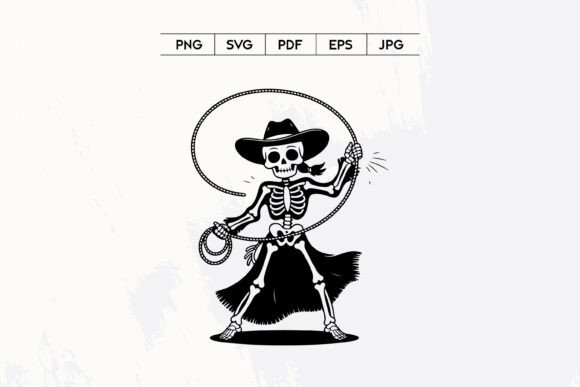
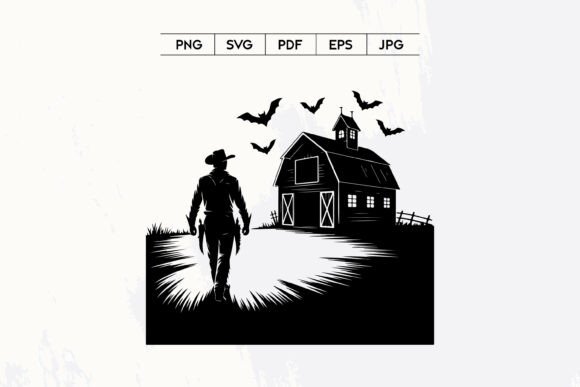
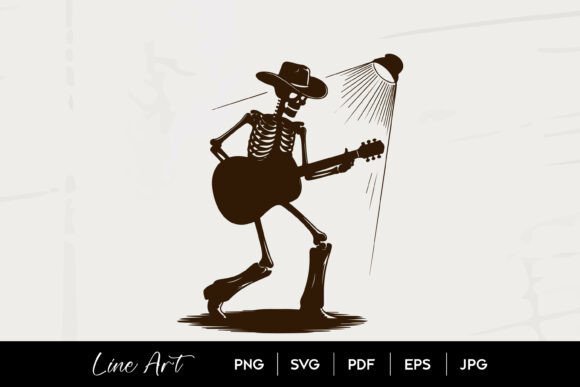
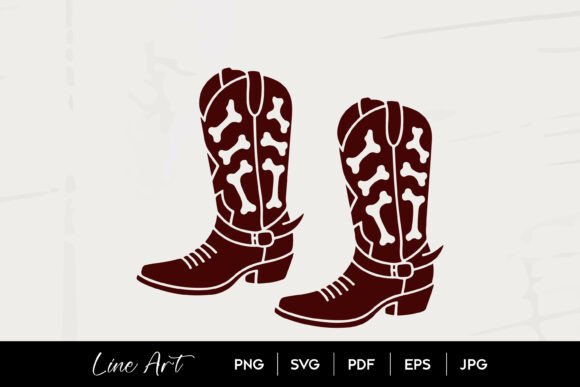
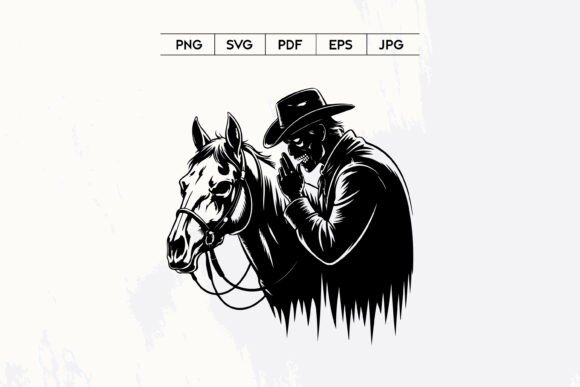
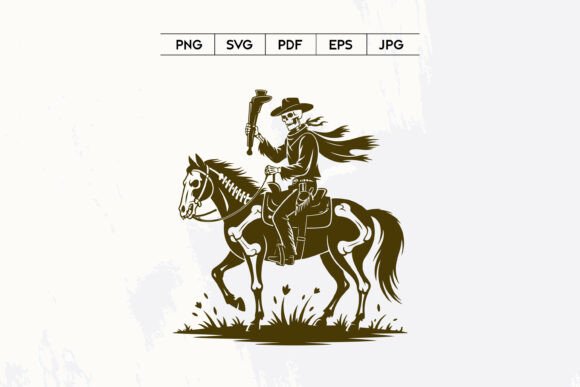
The first thing that stands out about Skeleton Cowboy Horse Western Art is its mood. It’s edgy yet classic, blending western elements like horses and cowboys with a dark, stylized twist. The skeleton motif gives it a unique personality—perfect for those who want something memorable but still rooted in tradition. The layout is clean, with defined lines and minimal background clutter, which helps the design maintain focus on the central figure. This simplicity makes it adaptable, whether you're creating a personalized gift or branding a boutique line of western-themed apparel.
Design Details and Layout
This illustration has a strong silhouette, making it recognizable even at smaller sizes. The level of detail is just right—not too intricate to lose clarity when stitched, but enough to add character. The horse appears slightly larger than the cowboy, creating a sense of motion and hierarchy. If you’re planning to stitch this as a standalone graphic, you’ll appreciate how the negative space allows for clear separation from the garment or item it’s placed on.
Real-Life Application: Custom Apparel and Tote Bags
I recently considered using this design for a custom embroidered tote bag for a client interested in western-themed merchandise. The bold lines and contrast of the skeleton cowboy riding a horse made it ideal for a large hoop size. When applied with satin stitch outlines and fill stitch details, the design came to life with depth and texture. On cotton canvas, it held up beautifully, while on stretchy jersey knit, I had to adjust the stitch density and stabilize carefully to avoid distortion.
For sweatshirt embroidery, especially with a crewneck or pullover style, the design works well if placed on the front or back. Its western flair complements denim jackets, leather vests, and even baby onesies with a vintage touch. However, due to the presence of small detailing around the horse's bones and the cowboy’s facial features, I’d recommend avoiding very thin or stretchy fabrics unless you have control over tension and stabilizer choice.
Patches and Decorative Accents
If you're considering an embroidered patch, this design can be trimmed down for smaller applications. I tested it on a 6x8 inch hoop for a hat or jacket accessory, and it maintained its charm. But keep in mind that reducing the scale may require adjusting the thread colors and stitch types to preserve clarity. Using running stitch or simplified fill areas in smaller sections can help retain the essence without overwhelming the material.
Where to Use Carefully
While Skeleton Cowboy Horse Western Art is a strong and versatile machine embroidery design, there are scenarios where it needs extra attention:
- Small Hoop Sizes: The design is best suited for medium to large projects. Attempting to fit it into a tiny hoop could compromise readability and overall appeal.
- Textured Fabrics: Stitch density becomes crucial here. Textured materials like flannel or felt can eat up fine details, so previewing on scrap fabric is a must.
- Thin or Stretchy Fabric: Without proper stabilizer, the delicate parts of the cowboy and horse could pucker or distort during stitching.
- Dark Backgrounds: Thread color selection is key. Light-colored threads will pop more effectively against darker garments, enhancing visibility and aesthetic impact.
- Layered Garments: Placing this design on a layered item, such as a vest over a t-shirt, might affect how the stitches lie flat and interact with each other.
- Curved Surfaces: Embroidering on a cap or curved surface requires careful alignment and possibly breaking the design into sections for better coverage and definition.
Thread Colors and Contrast
Since the design includes black and white elements, I tested it with a few different thread palettes. Using metallic or pastel tones didn’t provide the same dramatic effect as standard black and white embroidery floss. For the most authentic look, sticking to high-contrast thread combinations is recommended. You can also experiment with shades of gray or brown to give it a weathered, antique feel—especially useful for holiday gifts or nursery decor.
Enhancing Product Value and Brand Consistency
For craft business owners and Etsy sellers, this design adds instant value to any handmade product. Whether it's a western-themed pillow cover or a personalized apron for a rancher, the visual appeal of the embroidery file enhances the perceived quality of the finished product. Customers tend to respond positively to designs that carry a story, and this one definitely tells a tale of adventure and grit.
In terms of brand consistency, the design fits well with rustic, Americana, or western-inspired aesthetics. It would pair nicely with other graphics in similar styles, helping to build a cohesive collection for your shop or small shop product lineup. The professional finish ensures that even hobbyists can achieve a polished result that looks handcrafted but is repeatable and scalable.
Giftability and Customer Engagement
Personalized gifts are a big market for many creative entrepreneurs, and this design elevates items like blankets, tea towels, and holiday cards. As a holiday embroidery option, it brings a fresh take on traditional themes. For example, adding it to a Christmas ornament or wrapping paper mockup gave it a quirky edge that stood out in a sea of red and green. Customer engagement increased when I used it in a printable mockup set—buyers could visualize the design on their own items before purchasing.
Designer Notes: Practical Tips for Real Projects
- Test on Scrap Fabric First: Especially important if you plan to use it on stretchy or textured materials. Check how the stitch density interacts with the fabric texture.
- Review Small Details: The skeletal features and cowboy’s face are delicate. Make sure they don’t get lost when scaled or altered for different uses.
- Use Proper Stabilizer: Backing or tear-away stabilizer can make all the difference in preserving the design’s sharp lines and preventing puckering.
- Confirm Licensing Before Selling: Always check the license terms associated with the digital embroidery file. Some designs allow commercial use, others do not.
- Compare Light and Dark Backgrounds: Test the design on both to see how thread colors perform. Dark fabric might need a bolder thread palette to stay visible.
- Check Machine Compatibility: While the file types suggest versatility, always verify if your embroidery machine supports the specific format you're using.
Perfect for Boutique Branding and Handmade Products
Boutique owners looking to create a signature look for their handmade product range will find this design particularly appealing. It adds a distinctive touch to anything from coffee mugs to leather journals. The design’s adaptability also means it can be part of a larger set of design assets for a themed line of products, ensuring a consistent and memorable brand identity.
Final Thoughts for Embroidery Creators
Embroidery isn't just about technical execution—it's about storytelling through stitch. Skeleton Cowboy Horse Western Art delivers on that front with a compelling visual narrative. It’s a great addition to your design library if you're working on custom apparel, personalized gifts, or building a line of western-themed craft products.
Remember, though: the success of this design hinges on thoughtful application. Pay attention to fabric choices, test thoroughly, and consider the audience. It's not just about making something look good—it's about making something that resonates and lasts.