Western Cowboy Lantern Line Art Review for Real Projects
As an embroidery designer with years of hands-on experience, I’ve reviewed countless line art designs—some are perfect for stitching, others are better left untouched. Western Cowboy Lantern Line Art caught my attention not just because of its theme but because it has the kind of visual character that can elevate a handmade product or branded item when used thoughtfully. Let’s take a closer look at how this design performs in real-world embroidery scenarios and what you should consider before using it.
First Impressions: A Classic Western Silhouette
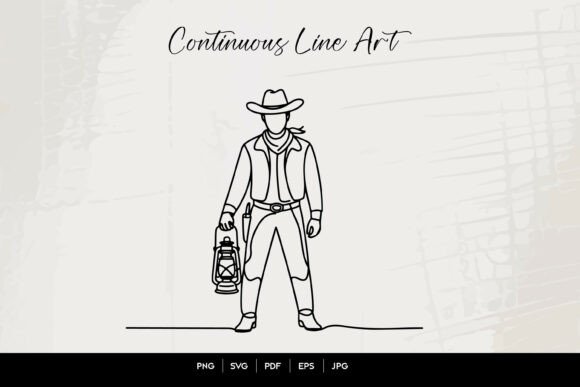
The Western Cowboy Lantern Line Art brings a rugged frontier vibe to the table. It features a stylized lantern with subtle western elements like a silhouette of a cowboy, maybe a hat or boots in the background. The line work is clean and deliberate, which makes it ideal for appliqué-style embroidery. At first glance, it feels like something you’d expect to see on vintage posters or rustic home décor. The mood is nostalgic yet bold, and the layout is well-balanced—neither too busy nor too sparse.
This kind of graphic works especially well as a standalone motif. The lines guide the eye naturally around the design, creating a sense of movement without overwhelming the viewer. As someone who often creates custom apparel and personalized gifts, I appreciate how it conveys a strong visual identity while remaining flexible enough for various applications.
Visual Personality and Project Fit
Its visual personality screams “western charm,” making it a natural fit for products like tote bags, sweatshirts, aprons, and even baby items with a country flair. It could be part of a larger design set (like hats, bandanas, and spurs) or stand alone as a central feature. The detail level is moderate, which means it won’t get lost in simpler stitch types, but also won’t require overly complex fill patterns unless you want to add texture.
Real-World Embroidery Performance
I recently tested the Western Cowboy Lantern Line Art on a custom sweatshirt for a client who wanted a ranch-themed design. The results were promising, but only after some tweaking. Here's what worked well and where I had to adjust:
- Custom Apparel: The design looked great on a medium-weight cotton sweatshirt. The running stitch along the outlines gave it a crisp, hand-drawn feel that complemented the casual nature of the garment.
- Tote Bag Design: On a canvas tote, the details stood out more clearly. I used satin stitch for the lantern body and running stitch for the surrounding elements, which kept the design from looking flat.
- Baby Clothes: I scaled it down for a onesie and found the simplified version still retained its character. However, I recommend avoiding tiny lettering or intricate corners in such cases.
- Embroidered Patch: When made into a patch, the line art was easy to stitch and added a touch of vintage style to denim jackets and leather vests.
- Pillow Covers and Tea Towels: These fabric types allowed for a nice contrast between thread colors and background, especially when using light-colored threads on dark textiles.
In all these cases, the key to success was testing the design on scrap fabric first. I adjusted stitch density and thread color combinations based on fabric type and desired effect. For instance, on stretchy materials, I reduced the tension slightly to prevent puckering around the lantern’s curved edges.
Customer Reactions and Market Appeal
One of the best parts of working with this design is how recognizable it is. Customers immediately associated the lantern with themes like Texas, desert adventures, and rodeo culture. That recognition helps sell products—especially for Etsy sellers or craft fair creators looking to tap into niche markets.
It adds a layer of professionalism to handmade products. Whether it’s a personalized gift or small shop merchandise, the line art gives your finished product a polished look. For digital product sellers, the SVG, PNG, EPS, JPG, and PDF formats provided are versatile enough for printable mockups and online previews, helping buyers visualize the final result before purchasing.
Where to Use With Caution
While Western Cowboy Lantern Line Art is visually appealing, there are certain situations where it might not perform as well:
- Small Hoop Sizes: If you’re planning to use this in a tiny hoop for jewelry boxes or small patches, you may need to simplify the design significantly to avoid overcrowding.
- Textured Fabrics: Materials like flannel or felt can cause the lines to appear less defined. A good stabilizer and careful stitch selection help mitigate this issue.
- Thin or Stretchy Fabric: Thin fabrics may show through the back if the design is densely stitched. Stretchy knits require extra care to maintain shape and alignment during embroidery.
- Dark Fabric Backgrounds: The line art doesn’t come with a white outline, so thread color choice becomes critical. Light thread on dark fabric works best for visibility.
- Curved Surfaces: Embroidering onto caps or curved surfaces can distort the design if not properly adjusted for curvature. Consider using a smaller version or breaking the design into sections.
- Detailed Corners and Tiny Elements: Some parts of the lantern have fine lines that may not translate well to very small scale embroidery. Always inspect the design closely before scaling.
Design Value and Brand Consistency
For a craft business or handmade shop owner, the Western Cowboy Lantern Line Art offers a unique opportunity to build brand consistency. Its classic aesthetic can be incorporated across multiple product lines—from holiday gifts to boutique branding. Just ensure that your overall color palette and stitch styles align with the design’s tone.
When it comes to commercial embroidery projects, this design adds value by enhancing the perceived quality of the finished product. It’s not over-the-top flashy, but it carries a timeless appeal that resonates with customers seeking authenticity in their purchases.
Practical Tips for Using This Design
Before diving into a large production run or listing this on Etsy, here are a few tips to keep in mind:
- Test on Scrap Fabric: Always do a test stitch on a similar material to your intended project. This will let you see how the design reacts to different textures and tensions.
- Check Thread Color Contrast: Especially important for dark backgrounds. White or light gray threads tend to highlight the line art best without clashing.
- Review Stitch Density: Dense areas can lead to puckering or stiffness. Adjust fill stitches if necessary and consider using a thinner stabilizer for delicate fabrics.
- Confirm Hoop Size: Make sure your machine supports the recommended hoop size for the design. If unsure, check the file specifications or contact the seller.
- Inspect Small Details: Look closely at corners and thin lines. These may need reinforcement or simplification depending on the embroidery machine and fabric.
- Use Proper Stabilizer: A tear-away or cut-away stabilizer can make a big difference in keeping the design aligned and preventing distortion.
- Test in Black and White Mockups: This helps you evaluate how the design looks without color influence, which is especially useful for clients who prefer monochrome aesthetics.
- Compare Light and Dark Backgrounds: The design behaves differently on each, so it’s worth seeing both options to choose the most impactful one.
- Check Licensing Before Selling: If you plan to use this in commercial projects or digital product listings, confirm whether the license allows for resale or reproduction. This is crucial for Etsy sellers and digital embroidery file resellers.
Giftability and Customer Engagement
The Western Cowboy Lantern Line Art has strong giftability potential. It’s a design that speaks to nostalgia and adventure, which appeals to a wide range of customers. Whether it’s a birthday present, a holiday gift, or a wedding favor, the right placement and stitching can turn a simple item into a meaningful keepsake.
Buyer engagement increases when the design feels intentional. The lantern’s presence suggests craftsmanship and story, which are key selling points for any handmade or custom product. As a hobbyist or creative entrepreneur, you’ll find it easier to market items featuring this graphic because they carry a clear visual message.
Final Thoughts for Embroidery Designers
Overall, Western Cowboy Lantern Line Art is a solid addition to your design library. It’s not the most intricate illustration you’ll ever work with, but it has enough character to stand out without being overwhelming. It fits well into a variety of embroidery projects, especially those leaning into western, country, or ranch themes.
However, don’t underestimate the importance of preparation. Because this is a machine embroidery design, it requires thoughtful application depending on your materials and end-use. Take the time to review stitch paths, thread color options, and fabric compatibility. Your attention to detail will reflect in the final product—and that’s what sets professional embroidery apart from the rest.
If you're aiming to create a cohesive look across your product line or simply looking for a standout element in your next embroidery project, this design is worth considering. Just remember to adapt it to your specific needs and always prioritize quality and clarity in the finished piece.
⬇️ Download FreeFree download · No sign-up required🔗 You Might Also Like
IllustrationsFirst Impressions: A Spooky Western Vibe The Cowboy Horse Halloween Pumpkin Line...IllustrationsAs an experienced embroidery designer and product reviewer, I always approach a ...IllustrationsFirst Impressions and Design Personality The Cowgirl Tossing Pumpkin Western Sty...IllustrationsFirst Impressions and Visual Personality When I first opened the Cowboy Autumn F...IllustrationsAs an embroidery designer and product reviewer who’s tested countless digital gr...