Cowboy and Horse Skeleton Western Art Review
As an experienced embroidery designer and product reviewer, I always take a step back before diving into a new design. I want to understand its character, potential applications, and limitations in real-world projects. The Cowboy and Horse Skeleton Western Art caught my eye not just for its thematic appeal but also for how it might translate from screen to fabric. Let’s break it down with the kind of practical insight that can help you decide whether this is a design worth stitching into your next project.
First Impressions: Mood and Visual Personality
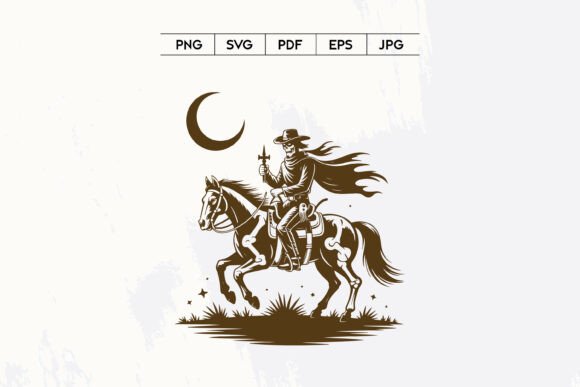
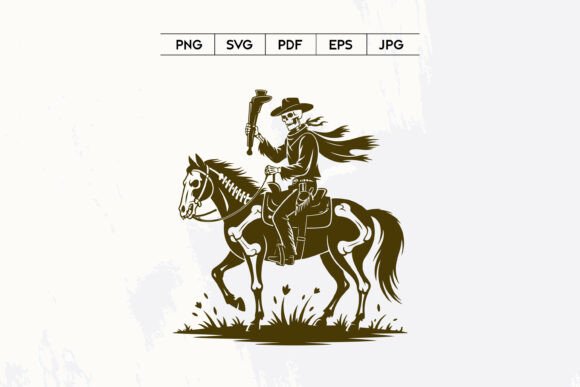
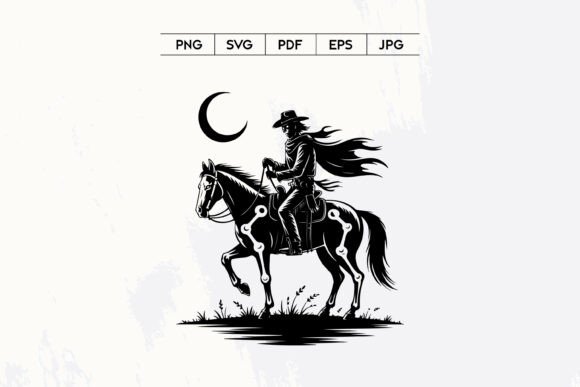
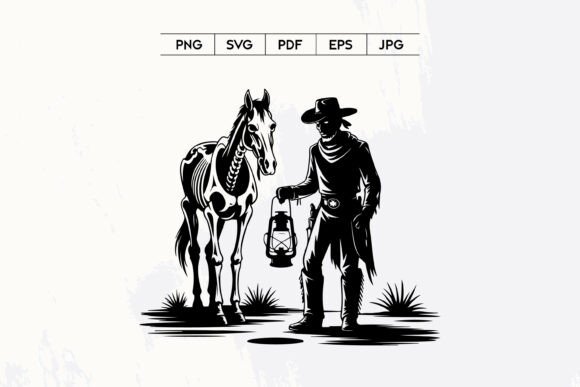
The Cowboy and Horse Skeleton Western Art has a bold, edgy vibe that immediately sets it apart from typical western-themed embroidery. It features a stylized cowboy figure on horseback, both rendered as skeletons in a classic silhouette style. The composition is strong, with clear lines and a dynamic pose that gives the design a sense of motion and story.
This isn’t a traditional western scene filled with cacti and sunsets. Instead, it leans into a darker, more symbolic interpretation of the genre—think gothic western or noir-meets-embroidery. That said, the visual personality still fits well within the broader “Western Art” category, especially if your audience appreciates unique, artistic takes on familiar themes.
I found myself imagining where this design would work best. For me, it feels like it belongs on a custom sweatshirt, tote bag, or even a patch for a leather jacket. Its mood is perfect for someone looking to add a touch of mystery or rebellion to their handmade product line.
Detail Level and Layout Considerations
The level of detail is moderate. There are no ultra-fine elements that would require micro-stitching, which is a relief when considering stitch density and fabric compatibility. However, there are some intricate parts in the facial features and saddle details that will need attention during the setup phase.
Layout-wise, the design is centered and symmetrical, making it easy to position on most items. It’s not overly complex, but it does have enough structure to stand out without overwhelming the viewer. This balance makes it versatile for both small and large formats, though I’ll get into the specifics of that shortly.
Real-Life Embroidery Applications
Let’s talk about actual use cases. If you’re an Etsy seller or craft business owner creating personalized gifts or boutique-style apparel, this design could be a hit. Here are a few scenarios where it shines:
- Custom Sweatshirts: The skeleton motif adds a dramatic edge, perfect for a limited-edition collection aimed at older teens or adults who appreciate alternative styles.
- Tote Bag Design: Stamped boldly across a canvas tote, this graphic becomes a statement piece. It’s especially effective if paired with minimal text or a simple tagline.
- Embroidered Patch: A patch version of this design could be ideal for denim jackets, backpacks, or even custom motorcycle gear. The high contrast between the black outlines and background really helps it pop off the fabric.
- Nursery Decor: While the skeleton theme may not be everyone’s cup of tea, some creative entrepreneurs use edgy designs for modern or themed nursery decor. Just be sure to tone it down in scale and color choice.
- Digital Product Previews: As a graphics file (PNG, SVG, EPS), this design works great for showcasing digital embroidery files in your shop. You can create printable mockups of it on t-shirts or aprons to give buyers a realistic preview.
What I love most is how this design maintains its identity across different media. Whether it’s stitched into fabric or printed for a digital preview, it holds its artistic integrity. That’s crucial for any machine embroidery design aiming to serve both creators and customers effectively.
Where to Use It Carefully
While the Cowboy and Horse Skeleton Western Art is visually compelling, it does come with a few caveats. Not every embroidery project is the right home for it.
- Small Hoop Sizes: The size of the design matters. If you plan to use it in a tiny hoop or on a cap, consider scaling it down carefully. Some details might become lost unless you adjust the stitch count and spacing accordingly.
- Textured or Stretchy Fabrics: This design relies on crisp lines and good visibility. Textured fabrics like denim or stretchy knits may cause distortion or make the image less defined after washing.
- Dark Fabric Backgrounds: The design uses a lot of black thread, so it won’t show up as well on dark-colored garments. Always test it in a black-and-white mockup or consider using white or metallic threads for contrast.
- Products Needing Frequent Washing
Like many hand-drawn illustrations, this design has a certain weight and presence that can easily be compromised by poor thread choice or improper stabilizer use. Don’t underestimate the importance of testing it on scrap fabric first—especially if you're planning to sell the finished product.
Stitch Clarity and Design Integrity
When evaluating embroidery files, I look closely at how well the design translates into stitches. In this case, the silhouettes are mostly composed of satin stitch and running stitch paths, which should render cleanly and clearly on medium-weight cotton or polyester blends.
However, the fill areas in the cowboy’s hat and the horse’s body are relatively dense. If you’re working with a thinner fabric or something prone to puckering, these sections could cause issues. I recommend adjusting the stitch density slightly or opting for a lighter fill pattern to maintain clarity while preventing tension problems.
Also, keep in mind that the design includes subtle shading and negative space. These aren't always visible in the digital preview, so inspect them closely in your software. If they’re too faint or inconsistent, they may disappear during the embroidery process. Make sure your machine can handle those nuances, or consider simplifying the design before stitching.
Customer Reaction and Giftability
From a market perspective, this design appeals to a niche but passionate audience. Think of it as the kind of art that turns heads in a craft fair or Etsy listing. It’s not for the faint-hearted, but if your brand aligns with alternative aesthetics or vintage gothic styles, it could be a powerful asset.
As a personalized gift option, it works particularly well for Halloween-themed items, adult-oriented holiday gifts, or as part of a curated western horror collection. The uniqueness of the design can boost customer trust and perceived value, especially if you pair it with high-quality materials and professional finishing.
Designer Notes: Making It Work in Practice
Here are a few tips based on my experience with similar embroidery projects:
- Test First: Always run the design on scrap fabric before committing to a client order or production batch. This allows you to catch issues with thread colors or stitch behavior early.
- Check Thread Color Contrast: If the design is going onto a light fabric, the default black thread might be fine. But on darker backgrounds, consider switching to white or a contrasting color to enhance visibility.
- Review Stitch Density: Especially in the denser fill areas. Too tight, and the fabric may pucker; too loose, and the image loses definition.
- Confirm Hoop Size: Since the design isn’t specified with exact dimensions, make sure your hoop can accommodate the full layout. If unsure, check the file specs or contact the seller.
- Inspect Small Details: The facial expressions and saddle textures are delicate. Ensure your machine and needles can handle these without skipping or breaking.
- Use Proper Stabilizer: A tear-away or cut-away stabilizer is essential here. Without it, the design might lose shape or distort during the embroidery process.
- Compare Light and Dark Fabrics: See how the design looks on both ends of the spectrum. This helps determine if it needs adjustments for optimal visibility.
- Consider Licensing: Before selling any finished product or offering the digital embroidery file for resale, double-check the licensing terms. This is key for Etsy sellers and anyone running a craft business.
Brand Consistency and Professionalism
For those building a brand around alternative or western-inspired products, the Cowboy and Horse Skeleton Western Art can be a strong visual anchor. It adds a distinct flavor that can help your products stand out in a crowded marketplace.
But consistency is everything. If you’re using this design in a commercial setting, ensure it complements your other design assets. Will it work alongside simpler, minimalist designs? Probably not. It’s better suited for collections that embrace a bolder, more artistic approach.
That said, it’s a professional-grade illustration that elevates the look of any project. Just be mindful of how it scales and what context it appears in. It’s not subtle—it’s meant to be seen.
Final Thoughts on Project Suitability
In summary, the Cowboy and Horse Skeleton Western Art is a standout design that brings a fresh twist to the classic western aesthetic. It’s suitable for a range of handmade products, from custom apparel to embroidered patches, and it carries the weight of a premium graphics file set.
But don’t let the visual flair distract you from the technical side. Every embroidery project requires thoughtful preparation. This design is no exception. By understanding its strengths and limitations, you can harness its full potential while avoiding common pitfalls.
If you’re looking to elevate your small shop product line with a design that tells a story and stands out visually, this one deserves a spot in your arsenal. Just remember to stitch smart, choose the right fabric, and always confirm the licensing terms before selling.