Stagecoach Cowboy Line Art for Embroidery Projects
If you're in the craft world, especially as an embroidery designer or small business owner, you know how important it is to choose designs that not only look great on screen but also translate well into real-world stitching. When I first laid eyes on Stagecoach Cowboy Line Art, I felt a familiar spark — the kind that suggests this design could be more than just decorative; it has personality and purpose.
A Timeless Mood with Modern Appeal
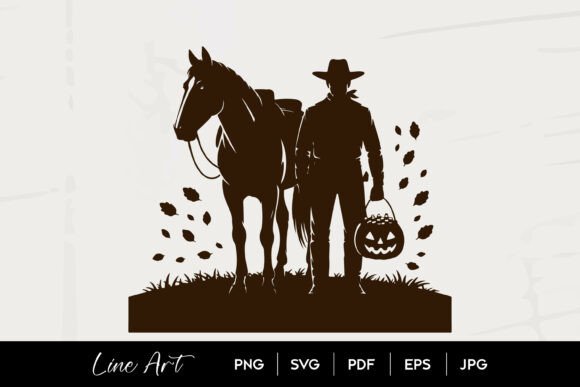
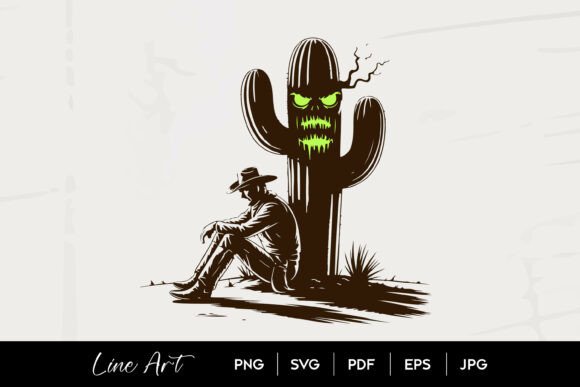
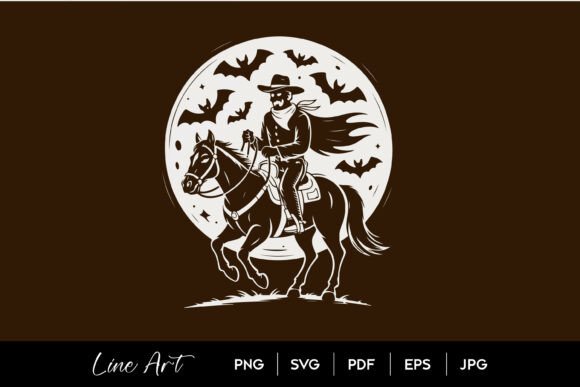
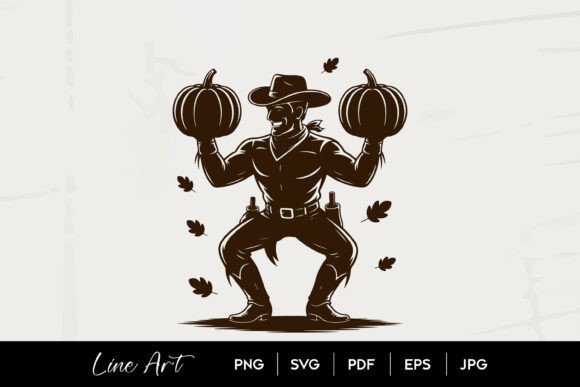
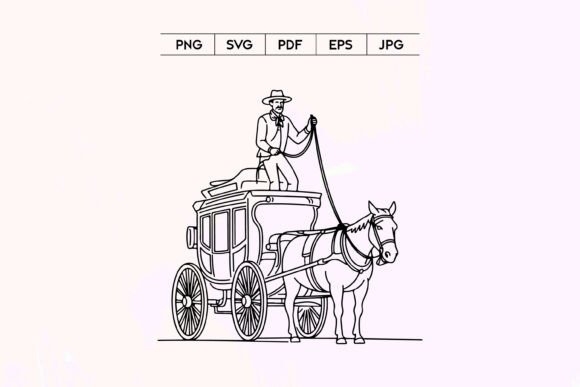
The Stagecoach Cowboy Line Art brings a rugged yet refined vibe. It’s not over-the-top western, but there's enough character in the lines and silhouettes to evoke classic Americana. The layout is balanced and centered, making it easy to position on various surfaces. What stands out is the clean line work and thoughtful detail level — it feels intentional without being overwhelming.
This kind of graphic works best for projects where the theme needs to speak clearly but subtly. Think custom apparel, tote bags, or even baby clothes for a playful touch of heritage style. It’s versatile enough to adapt to both casual and more polished looks, which is a big plus when considering its use across different product types.
Real-World Performance in Embroidery Projects
I recently used Stagecoach Cowboy Line Art on a batch of sweatshirts for a boutique client. The design translated beautifully from digital to fabric. Because it's a vector-based illustration (SVG, PNG, EPS, JPG, PDF), it scaled perfectly to fit the 7x10 hoop size we were working with. The simplicity of the lines made it ideal for a satin stitch outline, which gave it a crisp and professional finish.
- Tote Bags: The design fits well in a corner placement, giving the bag a subtle nod to the Wild West without shouting for attention.
- Baby Clothes: When paired with softer colors and smaller scale, it becomes a charming motif for onesies or bibs.
- Aprons & Pillow Covers: These items really let the design shine. The larger surface area allows the full artwork to be displayed, and the contrast between the line art and the background fabric adds depth.
- Custom Apparel: For t-shirts and hoodies, it’s perfect for a front pocket patch or back-of-neck applique. It doesn’t distract but still makes a statement.
- Commercial Embroidery: As a graphics file, it can easily be incorporated into digital product previews or printable mockups, which is essential for Etsy sellers and handmade shop owners looking to showcase their offerings online.
What I found particularly useful was how the line art lent itself to color experimentation. Whether using traditional red and black thread combos or modern pastels, the design adapts well, making it a great option for seasonal variations like holiday gifts or wedding favors.
Where Caution Is Key
While the Stagecoach Cowboy Line Art is impressive, it’s not without its challenges. Here are a few situations where you might want to proceed carefully:
- Small Hoop Sizes: If you’re planning to use it on tiny embroidered patches or cap accents, you’ll need to simplify or resize the elements to maintain clarity.
- Textured or Stretchy Fabrics: The fine lines may lose definition if stitched on denim or stretch knits. A smooth cotton blend tends to give the best results.
- Dense Stitch Areas: There are some intricate parts in the illustration, so managing stitch density is key to avoid puckering or distortion, especially if layering with other motifs.
- Dark Fabric Backgrounds: The line art relies heavily on contrast, so consider thread colors carefully if using it on darker materials. White or light-colored threads will stand out better.
- Frequent Wash Use: While the design holds up well under normal conditions, items like kitchen towels or aprons that get washed often should be tested for durability before mass production.
Design Impact and Customer Perception
When customers see Stagecoach Cowboy Line Art on a finished product, they tend to respond positively. It’s got that nostalgic charm that appeals to a broad audience — from young hobbyists to seasoned collectors. The visual appeal is strong, and the stitching clarity ensures the design remains legible and attractive even after multiple washes.
As an embroidery project, it elevates the product value by adding a handcrafted feel. Customers notice the effort put into the details, which builds trust in your brand as a quality provider. For personalized gifts or boutique branding, this design adds a sense of professionalism and uniqueness that helps your products stand out in a crowded market.
Handmade Presentation and Brand Consistency
One thing I love about this design is how it complements handmade aesthetics. The clean, bold outlines make it suitable for both minimalist and more elaborate styles. If you're creating a series of products for your craft business, using Stagecoach Cowboy Line Art consistently across items like mugs, caps, and pillows helps build brand recognition and a cohesive look.
For Etsy sellers and digital product creators, the versatility of the file formats (including SVG and PDF) means you can easily create high-quality previews and mockups. This not only improves buyer engagement but also increases the perceived value of your handmade goods.
Practical Tips for Embroidery Designers
Before committing to a large run, always test the Stagecoach Cowboy Line Art on scrap fabric. This lets you see how the lines hold up with different stitch types and thread weights. I recommend using a mix of running stitch and satin stitch for definition while keeping the overall density manageable.
Also, inspect the corners and small details closely. Vector illustrations sometimes have hidden complexities that aren’t obvious until you try to stitch them. In my tests, the cowboy figure had a few delicate areas that required careful handling during digitization.
- Test on scrap fabric to evaluate stitch behavior and fabric compatibility.
- Review thread color contrast against your chosen material.
- Check stitch density settings to prevent puckering or distortion.
- Confirm the hoop size needed — if it's larger than expected, adjust accordingly.
- Inspect small details for clarity and potential breakage during stitching.
- Create a black and white mockup to ensure visibility regardless of color choices.
- Compare the design on light and dark fabric backgrounds to assess its adaptability.
- Use the right stabilizer for your fabric type to keep everything in place.
- Ensure the design works for both personal and commercial projects — don’t assume all files allow resale.
- Always confirm licensing terms before selling finished items or digital downloads.
Final Thoughts for Creative Makers
In summary, Stagecoach Cowboy Line Art is a solid choice for many embroidery applications, especially when you want to add a touch of rustic charm without going overboard. Its clean aesthetic and adaptable format make it suitable for both personal and commercial use, though some customization may be needed depending on the final product.
Whether you're designing a custom sweatshirt for a local event or preparing holiday gift tags for your Etsy shop, this design offers a unique visual anchor that enhances the overall appeal. Just remember to treat it with care on tricky fabrics and smaller hoops — and always do your due diligence when it comes to licensing and file compatibility.
With the right approach, Stagecoach Cowboy Line Art can become a valuable part of your design toolkit. It's one of those graphics that, once properly executed, feels like it belongs exactly where it is. That’s what we all strive for — a design that looks great, stitches well, and resonates with your audience.