★★★★☆4.3(324 reviews)
Cowboy Leaning Fence Line Art Review for Real Embroidery Projects
First Impressions and Design Personality
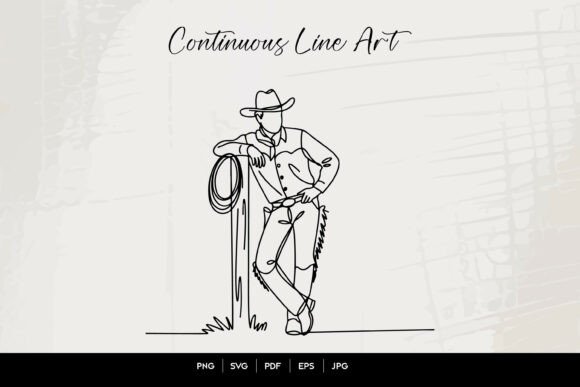
When I first opened the Cowboy Leaning Fence Line Art files, I was immediately drawn to its bold yet subtle western charm. The design features a classic silhouette of a cowboy leaning casually against a fence, with just enough detail in his hat, boots, and bandana to evoke a sense of character without overwhelming the composition. It’s not overly intricate, but it carries a strong visual personality that screams "frontier spirit" — perfect for those who want a design that feels authentic and evokes nostalgia.Real-World Application: Tote Bag Project
Let’s imagine using this design on a custom tote bag. For a small craft business or Etsy seller, a well-placed cowboy leaning against a fence can instantly elevate a simple canvas into a statement piece. The flat profile works great with satin stitch outlines, especially if you're using a single thread color for contrast.Performance in Different Embroidery Scenarios
This design shines when used in custom apparel, particularly in sweatshirt embroidery or cap designs. On a soft cotton sweatshirt, the lines are clear and the posture of the cowboy gives a dynamic feel that stands out from flat printed logos. For caps, consider the curvature — the fence might need some adjustment depending on how much the fabric bends, but the main figure should remain recognizable. In handmade products like aprons or pillow covers, the simplicity of the embroidery file means it won’t compete with other textures or patterns. It works especially well with applique designs if you’re layering materials. For tea towels or kitchen linens, it adds a touch of rustic flair that aligns perfectly with farmhouse or country decor themes. If you're an Etsy seller or running a craft business, this graphic could become a signature asset in your design assets collection. It fits nicely into holiday gifts, personalized items, or even nursery decor for parents who love the west. As long as the background fabric isn’t too busy, the cowboy will pop and maintain his iconic presence.Where to Use with Caution
- Small hoop sizes: The fence and cowboy take up decent space, so if you're working with tight constraints, you may need to scale down carefully and simplify details.
- Textured fabrics: Canvas, denim, or flannel can cause stitch distortion in the finer parts of the fence or cowboy's outline. Test with stabilizer to preserve clarity.
- Stretchy or thin fabrics: These can lead to misalignment or stretched-out lines during stitching. Always test on similar material before mass production.
- Dark backgrounds: Thread color choice becomes critical here. Lighter threads will help the cowboy stand out, but they also require more attention to stitch density and coverage.
- Curved surfaces: On items like caps or curved patches, the fence may appear bent or warped unless the design is adapted for the surface shape.
- Dense stitch areas: If you're combining this with other stitched elements, be mindful of overlapping stitches that might make the overall look feel too heavy or muddled.
Design Impact on Product Value and Branding
The Cowboy Leaning Fence Line Art brings a unique charm to any handmade product. Its recognizable form makes it ideal for brand consistency — think of a boutique shop using it across all their promotional items, from patches to printable mockups. It's not just a graphic; it's a symbol of style and story. From a customer perspective, this design adds giftability. Whether it’s a personalized gift for a friend who loves the rodeo or a commercial embroidery project for a western-themed store, the cowboy leans in with a friendly familiarity that resonates. It also helps in buyer engagement — people tend to pause longer when they see something that feels like a scene rather than just an icon. However, don’t assume it fits every brand or product. The theme is distinctly western, so it’s best suited for businesses or projects with a rancher, frontier, or Texan vibe. Used appropriately, it can boost product value and reinforce a visual identity that customers connect with.Designer Notes for Best Results
Here are a few tips I’ve picked up while testing line art like this in real embroidery projects:- Test on scrap fabric first: Especially if you plan to use it on stretchy or textured materials.
- Check thread color contrast: A white or cream thread can work beautifully on dark fabrics, but always confirm visibility before finalizing.
- Review stitch density: Thin or delicate fabrics may require lower density in fill areas to prevent puckering or tearing.
- Confirm hoop size: Make sure the dimensions match your machine’s capabilities and your intended placement.
- Inspect small details: The cowboy’s lasso and saddle have fine lines — these may disappear if the design is scaled too small or stitched with poor tension.
- Use proper stabilizer: Especially important for items like baby clothes or lightweight garments where fabric shift is common.
- Test in black and white: This ensures the design remains visually appealing regardless of thread choices or fabric colors.
- Compare light and dark fabric backgrounds: You may need to tweak stitch types or add shadow effects for better contrast.
- Confirm licensing before selling: Since this falls under the Freebies category, always double-check the terms to ensure you can use it in commercial embroidery or digital product sales.
Final Thoughts for Creative Entrepreneurs
As someone who regularly evaluates machine embroidery designs for both personal and commercial use, I find the Cowboy Leaning Fence Line Art to be a solid addition to a designer's toolkit. It's not flashy, but it tells a story — and in the world of handmade goods and small shop products, storytelling is everything. Its adaptability to various graphics formats like SVG, PNG, EPS, JPG, and PDF means it’s suitable for both physical and digital applications. From digital embroidery files to finished product mockups, it holds up well. Still, as with any design, context matters. Use it wisely, and it will bring charm and professionalism to your craft business offerings. But ignore the nuances of fabric and application, and you risk ending up with a design that looks flat or unbalanced after stitching.
⬇️ Download Free
Free download · No sign-up required
🔗 You Might Also Like
Freebies
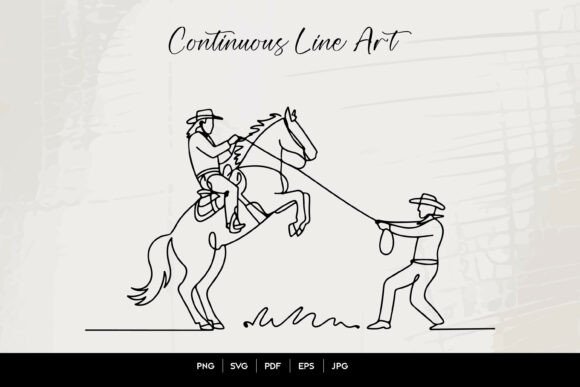
As an embroidery designer who regularly evaluates line art for real-world use, I...
Illustrations
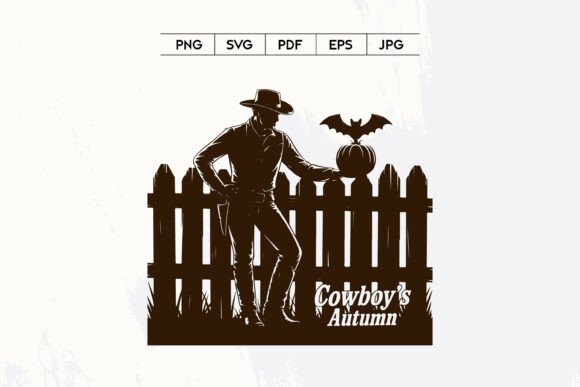
First Impressions and Visual Personality When I first opened the Cowboy Autumn F...
Illustrations
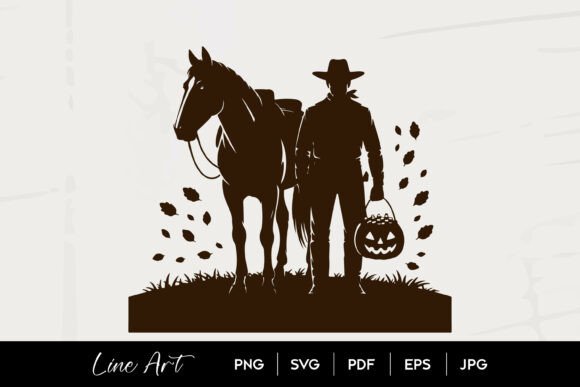
First Impressions: A Spooky Western Vibe The Cowboy Horse Halloween Pumpkin Line...
Tumbler Wraps
As an experienced embroidery designer and product reviewer, I often find myself ...
Illustrations
As an experienced embroidery designer and product reviewer, I always approach a ...
