Cowboy Rodeo Horse Line Art Review for Real Projects
As an embroidery designer who regularly evaluates line art for real-world use, I always look for designs that balance visual impact with practicality. The Cowboy Rodeo Horse Line Art caught my attention for its clean lines and thematic richness. It's a graphic that promises to bring western flair into your next project, but how does it actually perform when you're ready to stitch it onto fabric? Let’s break down the design from a professional standpoint.
First Impressions: Mood and Visual Personality
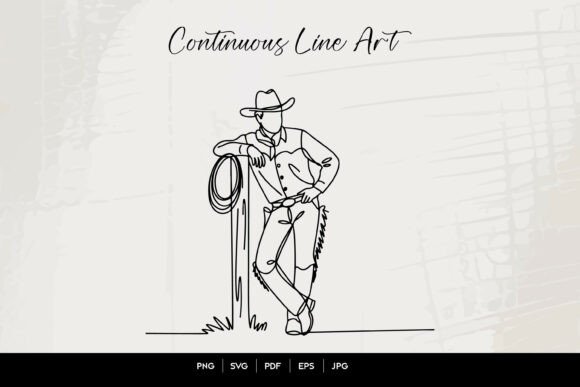
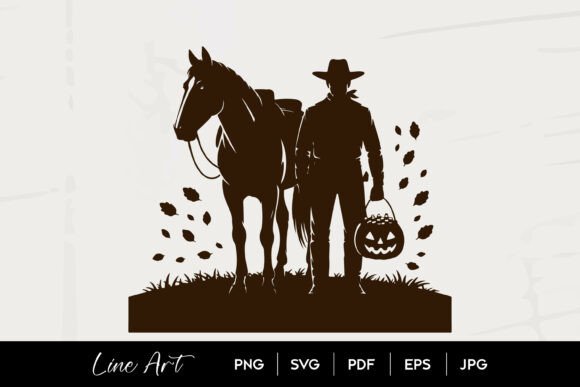
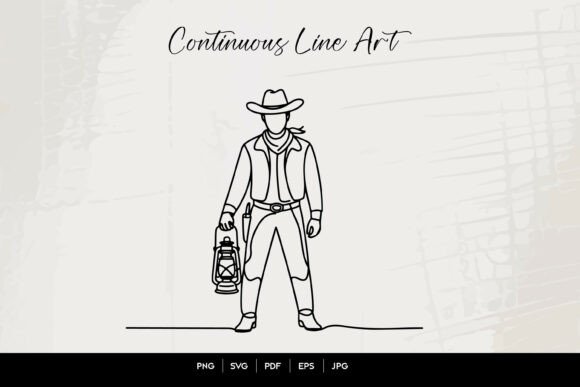
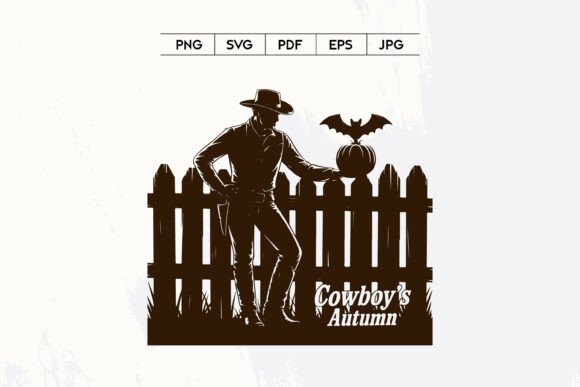
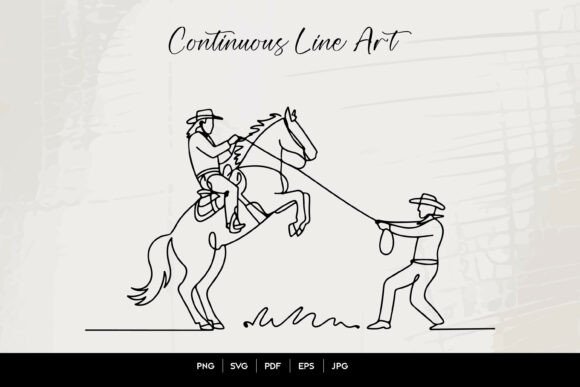
The moment I opened the digital embroidery file, I was struck by the bold simplicity of the Cowboy Rodeo Horse Line Art. It features a stylized silhouette of a galloping horse alongside subtle elements like a lasso, boots, hat, and rope—perfect for evoking a rugged, cowboy vibe. The layout is well-proportioned, with enough negative space to allow room for customization or pairing with other graphics.
What stands out most is the clarity of the line work. This isn’t a busy illustration; instead, it uses strong outlines and minimal internal details to create a striking visual presence. For anyone in the craft business or handmade product industry, this kind of line art offers flexibility without sacrificing identity. It feels modern yet classic—something that can easily fit into both rustic farmhouse décor and contemporary western fashion.
Where This Design Naturally Fits
- Tote bag design: The open, flat composition makes it ideal for large-format projects like canvas totes where the theme needs to be immediately recognizable.
- Sweatshirt embroidery: With its dynamic pose, the horse could become a standout feature on the back of a hoodie or sweatshirt, especially when paired with western-style fonts.
- Embroidered patch: The line art could be adapted into a patch for jackets, backpacks, or denim, giving a vintage feel while maintaining modern appeal.
- Baby clothes: A simplified version of the horse might work as a sweet motif on onesies or bibs, especially if you tone down the aggressive stance for a more playful look.
- Nursery decor: Think of it as part of a western-themed nursery wall hanging or pillow cover. Its bold lines would translate well into embroidered textiles.
Real-Life Embroidery Performance
When considering how the Cowboy Rodeo Horse Line Art will perform in real stitching scenarios, there are a few key factors to evaluate. First, let’s talk about stitch density. Since this is a line art design, it primarily relies on running stitch or satin stitch to define the shape and add depth. If you’re planning to stitch it on cotton or linen, you’ll likely get crisp results. But if you're working with stretchy or thin fabrics, such as jersey knit or lightweight flannel, extra stabilizer will be crucial to maintain shape integrity.
For custom apparel like t-shirts or sweatshirts, the design’s size plays a big role. Without specific hoop sizes listed in the Graphics description, I recommend testing it on scrap fabric before committing to production. This will help you understand whether the horse and rodeo elements remain clear at smaller scales or if they need simplification for small shop products.
One thing I love about this machine embroidery design is its adaptability. You can easily convert it into an applique design by adding a satin-stitched outline or background. That versatility is a huge plus for Etsy sellers looking to offer multiple variations of the same graphic across different items—like pillow covers or aprons.
Customer Appeal and Brand Consistency
From a marketability standpoint, the Cowboy Rodeo Horse Line Art has strong visual appeal. It’s not just another animal silhouette—it tells a story. Whether you're creating holiday gifts or personalized products, customers respond well to imagery that carries emotional weight and cultural resonance.
However, the design's effectiveness depends on the context. If your brand is all about minimalist, modern aesthetics, this may not align perfectly. But if you're targeting a niche like western-themed Etsy listings, ranch gear, or Texas-inspired décor, this graphic can enhance your brand consistency and improve product recognition.
For commercial embroidery, I’d suggest using the design in either black-and-white or limited color schemes. The line-based nature of the graphic allows for creative thread choices—maybe even metallic accents on the rope or saddle. Just keep in mind that too many colors can muddy the effect, especially if you're embroidering on darker fabrics.
Use with Caution: Potential Pitfalls
While the Cowboy Rodeo Horse Line Art looks great on paper, certain materials and applications require careful consideration:
- Small hoop sizes: The intricate outline of the horse and accessories may lose definition when scaled down. Always test before mass production.
- Textured or stretchy fabrics: These can cause distortion in the lines. Stick to stable, woven materials unless you're willing to adjust the design or use additional stabilizers.
- Dark fabric backgrounds: On darker materials, the contrast between the line art and fabric becomes critical. You may need to experiment with thread colors or consider white underlay stitches for visibility.
- Curved surfaces : Like caps or curved patches, the design’s straight-line structure may not conform well without some reworking. Use a soft, stretchable stabilizer if you must try it here.
- Frequent washing: Designs with high stitch density or delicate corners may fray over time. Reinforce edges and consider the durability of the fabric chosen.
Design Notes for the Pros
Before integrating the Cowboy Rodeo Horse Line Art into any project, I follow a few tried-and-true steps:
- Test on scrap fabric: Especially important for commercial embroidery or bulk orders. See how the lines hold up after washing and wearing.
- Review thread color contrast: Use the included PNG or JPG files to mock up the design on your intended fabric. Black works well on light backgrounds, but white or cream may be better on dark materials.
- Check stitch density: High-density areas near the horse’s mane or the rider’s outfit may require adjustments to prevent puckering or excessive stiffness.
- Confirm licensing: Since this is labeled as a Freebie, make sure the terms allow for commercial use. Some free graphics come with restrictions that could affect your handmade shop sales.
- Inspect small details: Look closely at the lasso and bandana elements. Depending on your machine and fabric, these may require reinforcement or simplification.
Also, don’t forget to consider printable mockups if you're selling digital embroidery files. Providing a preview of how the design looks stitched on a tote bag or sweatshirt can boost buyer confidence and increase conversions for digital product sellers.
Final Thoughts: Is This the Right Graphic for Your Project?
The Cowboy Rodeo Horse Line Art is a solid choice for embroidery projects that lean into western themes. Its strong visual identity and clean construction make it suitable for a wide range of applications—from personalized gifts to craft fair products. However, it’s not one-size-fits-all. As a seasoned designer, I urge you to take the time to assess the design within the context of your specific product and customer base.
If you're aiming to elevate your small shop merchandise or expand your design assets for handmade product offerings, this line art can definitely help. Just remember to adapt it thoughtfully, ensuring that the final finished product reflects the quality and care your customers expect.
In short, the Cowboy Rodeo Horse Line Art brings a compelling mix of storytelling and style to the table. With the right preparation and application, it can become a trusted part of your embroidery project toolkit.